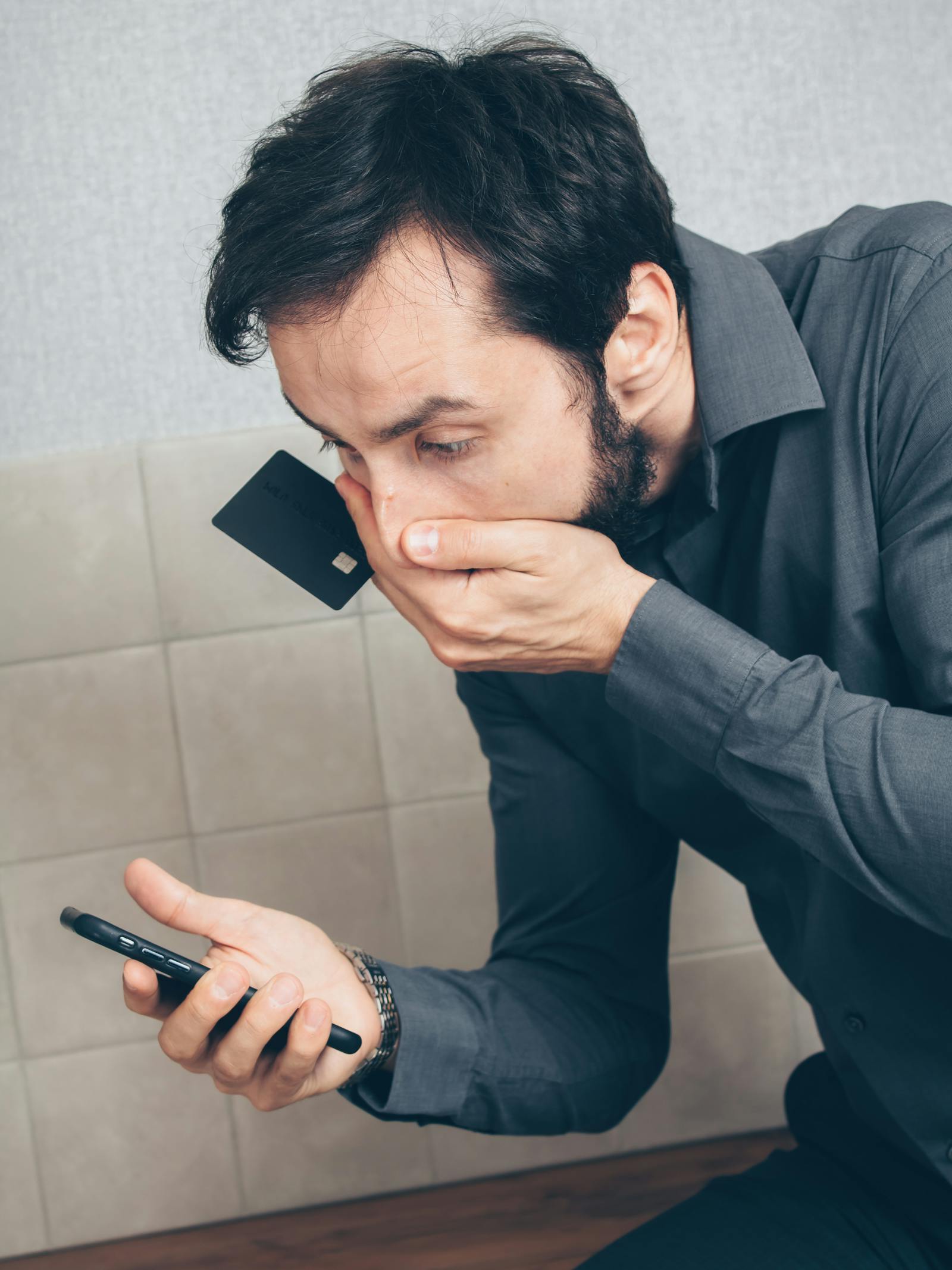


Margaret was 73, recently divorced, and convinced she was finally going to meet Kevin Costner. Instead, after wiring more than $100,000 in bitcoin to a man posing as the actor, she checked into a hotel and realized there was no Kevin Costner, no relationship, and no easy way to get her money back.
That story is not an outlier. Celebrity romance scams are a fast-growing branch of the broader romance scam ecosystem. The numbers show how serious the problem has become, while newer AI tools have made fake celebrity accounts, voice notes, and even short personalized videos much harder to dismiss as obvious fraud.
What makes celebrity romance scams different?
What makes celebrity romance scams different is their unique style of psychological manipulation. Celebrity romance scams begin with a head start compared to other scam types, because the victim and the scammer already know the face, the voice, and the public persona associated with the stolen identity.
The scammer is not inventing trust. They are betting the trust they need already exists in the victim’s mind.
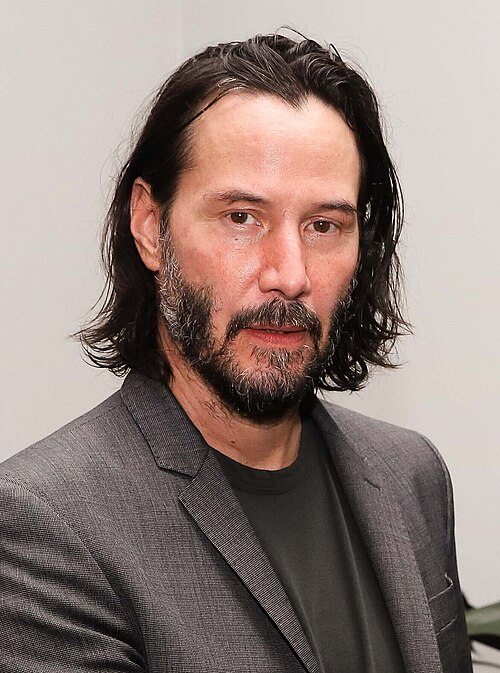
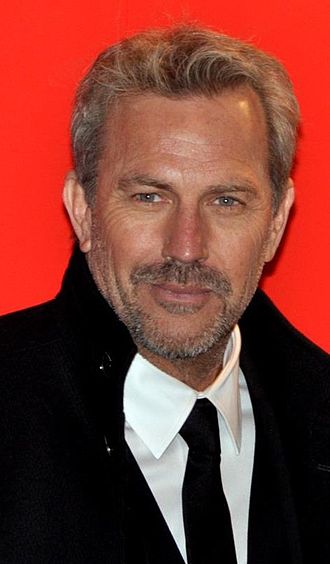
This is why scammers choose their stolen identities based on attributes most likely to lead to a strong parasocial relationship, the one-sided emotional bond people might form with a YouTuber or social media influencer. Scammers repeatedly choose older, male celebrities with an authoritative presence such as Keanu Reeves, Kevin Costner, and Jonathan Roumie.
In practical terms, the scammer’s job is easier than in a standard catfishing scheme. They can mirror a celebrity’s public values, repeat details from real interviews, reference genuine causes the celebrity supports, and borrow an existing fan relationship to make the messages feel plausible. Bitdefender noted in 2025 that celebrity imposters often use real career details and recognizable speech patterns to make the relationship feel specific rather than generic.
The scale of celebrity romance scams, by the numbers
The Rising Cost of Romance Fraud
How losses have accelerated in recent years
While data on the scope of celebrity romance scams specifically is sparse, the larger pattern of romance scam proliferation is undeniable. According to the FTC, Americans lost $1.14 billion to romance scams in 2023, and the first nine months of 2025 alone had already exceeded that figure at $1.16 billion.
In the United Kingdom, UK Finance and TSB data found that celebrity impersonation accounted for 29% of romance scam cases, with victims making an average of 11 payments over roughly 95 days before discovering the fraud.
Plus, the rate and scale of the damage is accelerating. Chainalysis reported in its 2026 Crypto Crime Report that impersonation scams, in which celebrity scams are included, grew by more than 1,400% year over year, with average payment size up more than 600%.
AI is playing a major role in the growth spike. Deepfake video and advanced translation tools make chats with celebrities more believable, while operational efficiencies increase profits. Chainalysis estimates AI-enabled scams generated 4.5 times more revenue per operation than non-AI scams.
The age profile of many victims makes the damage worse. The FBI’s 2024 IC3 reporting showed adults 60 and older suffered nearly $4.9 billion in fraud losses in 2024, and older adults were also disproportionately likely to report six-figure losses. Celebrity romance scams often sit right at that intersection: older victims, emotionally persuasive narratives, and payment methods like cryptocurrency that are difficult to reverse once the funds move.
The celebrity names scammers impersonate most often
Victim reports of celebrity romance scams tend to cluster around specific public figures. Search behavior supports the same pattern, with people often looking up specific celebrity names only after the manipulation is already underway. The selection logic is fairly consistent: scammers prefer celebrities who feel recognizable, trustworthy, and emotionally accessible to older victims.
The Celebrities Scammers Impersonate Most
Stolen identities chosen for maximum emotional leverage

How AI changed celebrity romance scams
For years, standard advice for spotting fake celebrity accounts sounded simple: reverse image search the profile photo, ask for a video, and watch for awkward language. Those tactics still have value, but they are no longer enough on their own.
The Content Authenticity Initiative described a case where deepfake expert Hany Farid reviewed a 15-second video sent to a romance scam victim. The clip used the victim’s name and was not immediately flagged as fake, even to trained observers.
Voice cloning creates the same problem in audio. A voice memo that sounds warm, familiar, and slightly imperfect can be more persuasive than a written message ever was. AI-generated images also weaken the reverse image search tactic.
To make matters worse, AI tools are widely available to buy anonymously at minimal cost. Chainalysis reports that scammers can buy face-swap tools, deepfake software, and language models from Telegram-based vendors for a few hundred dollars using crypto, which means these capabilities are not limited to full-scale organized crime operations.
The practical takeaway is that old red-flag advice now catches fewer cases. A scammer may have a believable profile, personalized videos, clean grammar, and a convincing voice. That means you need to look harder at the behavior pattern, not just the media your virtual lover provides.
Red flags specific to celebrity romance scams
Celebrity romance scams share some general romance-scam traits, but certain warning signs are especially common in this version of the fraud:
- They contact you first from a “private,” “backup,” or fan account. The story is that the public account is managed by a team and this secret account is the “real” person.
- They insist on secrecy. They may blame paparazzi, jealous managers, NDAs, public pressure, or the need to keep the relationship hidden from the media.
- They invent money problems that make no sense for a wealthy celebrity. Frozen accounts, emergency legal fees, customs issues, charity crises, and travel problems are all common scripts.
- They move you off-platform quickly. Once the conversation shifts to WhatsApp, Telegram, or text, reporting and enforcement become harder.
- They ask for crypto, wire transfers, or gift cards. No legitimate celebrity is privately asking fans or romantic partners for untraceable money.
- They offer exclusive access. Many celebrity romance scams involve selling subscriptions to fraudulent fan clubs that give the victim additional insight into the scammer’s mirage. This could include fake voice messages, images, or written updates about the celebrity’s life unavailable anywhere else.
One practical step can save people a great deal of damage: search the celebrity’s name plus the word scam before you keep engaging. Victims often do this too late. If a public warning already exists, that search may immediately tell you the entire story.
What to do if you have been scammed
If you realize you were pulled into a celebrity romance scam, the most useful response is a calm, structured one:
- Stop sending money and stop responding. Do not send one more payment for travel, legal fees, fan-club access, account recovery, or “taxes” to unlock anything.
- Preserve the evidence immediately. Save usernames, account names, phone numbers, chat logs, screenshots, payment receipts, wallet addresses, and transaction hashes before the scammer deletes anything.
- Report the fraud to the right places. File reports with the FTC and the FBI IC3, and report the profile on the platform where the contact started.
- Contact any bank, card issuer, payment app, or crypto exchange involved. If crypto was used, recovery is sometimes possible because the funds can still be traced through blockchain analysis and exchange records.
- Do not assume recovery is impossible, but stay realistic. Major law-enforcement actions tied to scam proceeds, including more than $15 billion linked to large scam operations, show that tracing, seizure, and restitution are real legal concepts even though recovery is never guaranteed.
- Ignore anyone who contacts you promising to recover the money for a fee. Research shows that 57.7% of scam victims were later contacted by fake recovery agents or fake law-enforcement figures.
- If cryptocurrency was involved, get informed quickly. Start with our guides on first steps to take if you think you’ve been crypto scammed and how a real crypto scam lawyer recovers your funds. If you want case-specific guidance, CyberJustice Law Group can help you understand your legal options.
Conclusion
Celebrity romance scams work because the emotional connection is real, even when the person behind the screen is not. The shame victims feel is part of the scammer’s last line of defense, because silence keeps people from getting help, preserving evidence, and acting before more damage is done.
As AI makes these frauds more convincing, “just be careful” is no longer serious advice by itself. What helps is understanding the pattern, recognizing that these scams target everyday people, and knowing that there may still be legal and recovery options, even if cryptocurrency was involved.